


roles and responsibilities
- Oct 19, 2023
- 10 min read
Updated: Dec 12, 2023
cinematographer:
cinematographers are also known as directors of photography (DoP). They work closely with the director and they read to screenplay to discuss the look and the feel that the director wants for the production. Then the cinematographer is responsible for finding all the lighting and the framing and camera movement that suits the needs of the director, they go and research all the things that can make the production match the look and feel that the director and the cinematographer discussed. They also find what equipment and crew they need to achieve the outcome that's wanted.
Cinematographers on each day they spend filming a production, they bring their camera crew earlier than the rest of the crew so they can set up everything and rehearse. When they are working with the director they figure and plan out the exact camera movements and actor movements which is also known as blocking. They then further discuss any lighting requirements and specific camera movements with the camera operator. After each shot is marked up for the focus and framing the cinematographer will then check and oversee the lighting of the set for the first take. the most important part of a cinematographers job is to make sure that every shot is useable and be able to flag them up when they are not up to good standard and wont be usable for the production.
A cinematographer is good at multiple things and they have a lot of useful skills that will make the production better and run smoothly. Cinematographers are good at photography and they will know and understand a story through a shot and understand the camera and lighting techniques that are used. They will also understand all the small details within and how the lighting can create and affect certain emotions. cinematographers will also have good knowledge on the technical side of things like having in depth and detailed understandings of all the motion picture equipment and understanding the camera and how different lenses do different things and what effects they can create. They will also understand how the monitors and the lights work within the motion picture equipment. They will also be educated in the editing knowledge and how the post production work flows and have a good eye and attention to detail for colour in the editing process of the production. They also have to be good at making decisions and working under pressure and think quickly so they are always ready when someone has a question or a problem or situation arises. They also have to be on top with organisation and know how to plan and how to do things correctly and how long it will take and how to gather the right equipment and crew and help manage the budget, they also have to think about the artistic considerations at the same time. Cinematographers must also have good communication skills so they can ensure that everyone in the team knows what's expected of them. They also need to be able to lead the team and be able to sort and resolve any conflicts and situations they may be stressful within the group.
The average salary for a cinematographer can range. a starter cinematographers expected salary is around £21000 whilst an experienced cinematographer is expected around a £35000 salary. the average hours of a cinematographer are 31-41 hours a week.

sound recordist:
sound recordists are responsible for capturing all of the sound on a location for a tv programme. This may include multiple things like dialogue and singing and action this can range from performance to real events. They are also responsible for setting up microphones and deal with any issues to do with their placements. They are also responsible to think about the combinations of the microphones that they use. These include things like boom microphones and hidden microphones that will help keep consistency with the shot and shot size to avoid any issues such as time delays between the different microphones.
Sound recordists will also work around any issues with background noises, they have to make sure that they are only recording the sound that they are needing and what they want instead of recording sound that you don't want in the scene. they listen along to make sure that there is nothing wrong with the take see if anything needs to be re recorded if they have picked up the wrong sounds or if there is to much background noise. The sound that recorded needs to make sense with the visuals so sound recordists may record something called a wild track of realistic background noises to be used in the final edit to fill any gaps in the background atmosphere that was caused by editing or they may ad it to a scene but without drowning out any dialogue. On studio productions or on big outside broadcasts, multiple sound recordists will work around and to one sound supervisor. When working on smaller location shoots sound recordists will work alongside a camera operator so they can record things like interviews to things like group activity, produced events and following real events which is also known as actuality. On very simple jobs there wouldn't be a sound recordist as the producer or the director would record the sound by themselves. Sound recordists are normally working freelance as camera operators normally have relationships with specific sound recordists so that when companies are hiring they may ask camera operators if they have any personal preference of who they may like to work with.
Sound recordists are good at many things that make them good at there job. these include things like communication because they will have great people skills which will be helpful as they will be able to put contributors at ease when they are fitting personal mics to them and they will be able to collaborate effectively with other members of the team and ensure that the sound will fit along with the visuals of the production. Sound recordists will also be able to do problem solving and they will be able to be resourceful and find effective solutions to technical problems and tackle recording challenges. They also will have to have good technical knowledge and be able to operate and maintain the sound equipment an know how to repair it if anything were to happen or go wrong with the equipment. They will also have to keep up to date with and be able to use innovations. Another skill they have is scientific knowledge as they will be able to understand the physics behind the sounds and the qualities that each sound possesses and what things may be able to effect it and they will also need to be able to manipulate the sounds. They also have good knowledge of the production and post production processes and they will have a good understanding of all of the crew roles and understand the aspects of how unscripted tv programme is made through from pre production to post production.
The average salary for a sound recordist can range. A starter sound recordists expected salary is around £16000 whilst an experienced sound recordists is expected around a £35000 salary. The average hours of a sound recordist are 39-41 hours a week.

director:
Directors work within film and TV drama, unscripted Tv, animation and theatre. The various and different sections and genres make the director role vary and makes it different in each case. In theatre and film an Tv drama, directors will work closely with the actors so they can find out the type of performance that the production will need. In animation productions directors wont always work with actors but if they do they are voice actors. In unscripted TV there are no actors and the director is normally operating the camera themselves.
Its not uncommon for directors to have careers that span across TV dramas and films and theatre. Its actually less common for directors to span across the range of different direction roles across the different creative industries. When directors do do this its most likely for creative reasons instead of them just doing it to add diversity to their revenue streams.
Being a director means that they have many different skills for there job these include storytelling as the director will need to be able to know how to covey emotion and shape characters within a narrative structure. They also have skills in keeping the genre in mind and they will have a thorough understanding of the genre or sector and know its creative possibilities and the limitations of the genre. This could include a stage a film a immersive experience or even a documentary. Directors need to be able to stay calm under pressure as there job is an important role and they will have a lot of tasks and responsibilities so they need to be able to work methodically when working in a high stress environment and be able to make creative decisions when things may not be going to plan. They also need to be good at staying up to date with people and commissioners in the sector in what the director will want to work in. They need to be able to sell themselves and pitch themselves and their services accordingly. As there job involves a lot of freelancing directors need to be able to keep their books and manage their finances and stay alert to any new business that may arise to there opportunity.
There is a few differences between different director roles in different sectors. When a director is working on an unscripted production within the documentary the shots don't need to be as polished as they do for film and TV dramas. It is possible to to move around and pick up shots that haven't been planned. Directors will need to be able to react quickly and creatively if the content ends up taking a completely different direction the original idea that was intended for the production. In film and TV dramas these type of scripted productions will usually include a bigger crew than documentaries do. With that there is a lot more responsibility on the directors hands. The day of the director will be more structured and deadline driven. Their success depends on the directors relationships and leadership skills with the actors and the ability to work well with the crew overall. In theatre productions there is more time for rehearsals and for crafting and creating the piece through what happens during the rehearsal process than there is with screen. In animation productions directors will need a good understanding of the principals and the mechanics of animation as well as a good sense of all the genres of art.
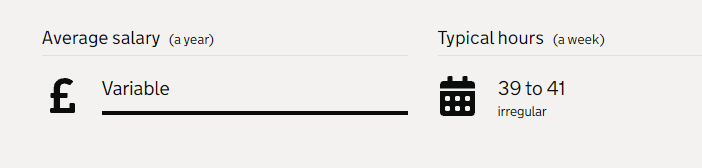
The average salary for a director is variable and they work hours of 39-41 a week.

producer:
Producers turn creative ideas into reality. This involves video games, podcasts, plays, music recordings, live events, films or community art. Some producers stay within one genre or sector and become very educated and good in that particular field. Other producers may use their skills in a variety of different creative industries and create a portfolio for themselves that include their skills and talents.
There are many different types of producers some examples include games producers need to be educated in the rights and licensing within games and have an in-depth and detailed understanding of game stores and platforms. Music producers need to be educated in understanding what is going on within the music industry and seeing what people are listening to and interested in.
Overall producers are people who make things possible and make ideas happen. When producer can combine their skills as storyteller and organiser whilst being able to learn the specific needs of different genres , they have a lot potential for developing a portfolio that can contain a massive variety of creative industries.
being a producer means that they will learn and have a lot of skills and knowledge within their job some of these skills include Leadership as producers will be able to set the tone of the production and also be able to manage all department and motivate and communicate well with everyone within the department and the production an keep a good working atmosphere. producers will also be good at organisation as they will need to stay on top of the whole project and know what needs to be doing and prepare things like schedules and a production budget for the production. they will also have negotiate salaries for the team. being a producer also means that they need to be good at storytelling and know how to create and craft a narrative and use this in the production to create a good outcome of the project. Producers need to understand the production processes of the genre they are working in so they know what they need to doing and what everyone else needs to be doing.
The average salary for a producer is variable and they work hours of 39-41 a week.
costume designer
Costume designers are essential to a production. as well as contributing to the look of a character it can help the actors feel emotionally connected to the character they are playing through wearing the character’s clothes as they give a personality towards the character.
Costume designers can design and create looks and clothes for the cast. They start by working with the productions team so they can find out what they want characters to look like and what specific details they want a character to have in their clothing appearance. They then go and research and sketch then they create mood boards of characters and clothes that they feel will connect with the character. Then they work on the production when new actors and characters get introduced to create clothing looks for them. They will also look at the schedule of how the filming is being carried out so they have time to order in a create clothes in time for the scene that they are filming with what clothes they will be wearing in the scene.
Costume designers have many skills that make them good at their job these include styling as they need to be able to understand the director’s vision for the character and know what this means for the costumes of different characters. They will also have knowledge in costume history as they may work with productions that may be set in different time periods so they will need to understand and know contemporary fashion and clothing design through the different ages. costume designers will also be good at storytelling as they understand how a story can be told through clothing and colour palettes. they will also be able to make clothes and have detailed knowledge of clothing production. They also have good organisational skills as they need to schedule when the costume needs to be in set by and manage the budget of the clothes. having communication as a costume designer is important as they need to share the vision of the costume design with team members and listen to actors and respond to their needs if they have any specific ideas they feel would suit the character.
The average salary for a costume designer can range. A starter costume designer expected salary is around £22000 whilst an experienced costume designer is expected around a £45000 salary. The average hours of a costume designer are 40-42 hours a week.


Comments